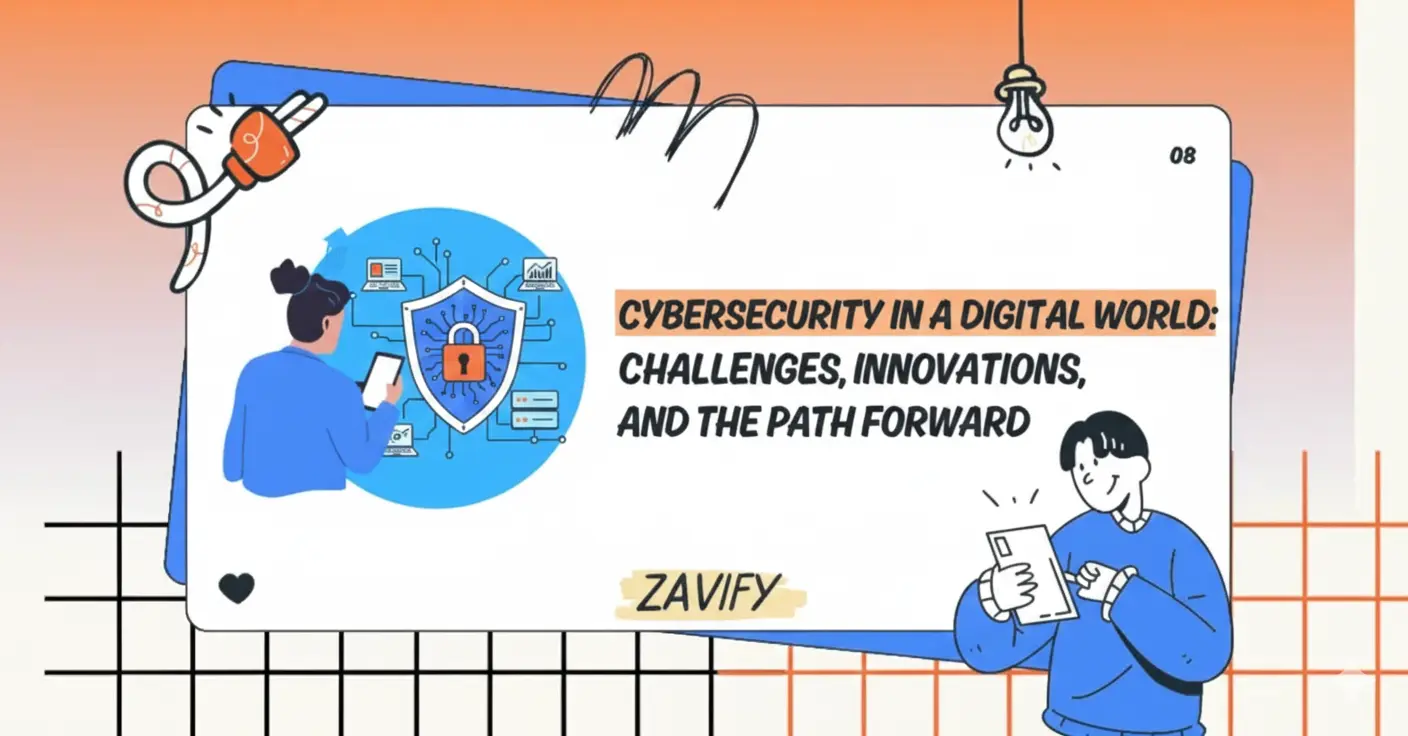
As the world becomes increasingly digital, cybersecurity has emerged as one of the most critical aspects of modern life. From personal devices to global corporations and national infrastructure, the need to protect data, systems, and networks from malicious actors has never been more urgent. Cybersecurity is no longer just an IT issue; it is a strategic concern that impacts business continuity, national security, and individual privacy. This article explores the current state of cybersecurity, its challenges, innovations, and what the future may hold.
Understanding Cybersecurity
Cybersecurity encompasses the technologies, processes, and practices designed to protect networks, devices, programs, and data from unauthorized access, damage, or attacks. It is a broad field that addresses three primary objectives, often referred to as the CIA triad:
- Confidentiality: Ensuring that sensitive information is accessible only to authorized individuals.
- Integrity: Protecting data from being altered or tampered with by unauthorized parties.
- Availability: Guaranteeing that systems and data are accessible to authorized users when needed.
Cybersecurity is not limited to digital threats; it also considers physical security of devices, human factors, and organizational policies. A comprehensive cybersecurity strategy integrates multiple layers of defense, including software, hardware, personnel, and procedures.
The Rising Threat Landscape
The digital world has expanded rapidly, and so have cyber threats. Cybercriminals exploit vulnerabilities in systems, networks, and human behavior to achieve financial gain, political objectives, or sabotage. Common types of cyber threats include:
1. Malware
Malware, or malicious software, is any program designed to harm a system or gain unauthorized access. It includes:
- Viruses: Programs that attach themselves to files and spread when executed.
- Trojans: Malicious software disguised as legitimate applications.
- Ransomware: Malware that encrypts files and demands payment for decryption.
- Spyware: Software that secretly monitors user activity.
2. Phishing and Social Engineering
Phishing attacks use deceptive messages, often via email or social media, to trick individuals into revealing sensitive information like passwords or financial details. Social engineering exploits human psychology to bypass technological safeguards.
3. Denial-of-Service (DoS) Attacks
These attacks overwhelm networks, servers, or websites with traffic, making services unavailable. Distributed Denial-of-Service (DDoS) attacks use multiple compromised devices to amplify the disruption.
4. Advanced Persistent Threats (APTs)
APTs involve prolonged, targeted attacks against specific organizations, often conducted by highly skilled threat actors. These attacks aim to steal intellectual property, confidential data, or disrupt operations.
5. Insider Threats
Not all threats come from external actors. Employees or contractors with access to sensitive systems can intentionally or accidentally compromise security, often by mishandling data or exploiting privileges.
Cybersecurity Challenges Today
The modern cybersecurity landscape presents multiple challenges that organizations and individuals must navigate:
1. Increasing Complexity
With the proliferation of cloud computing, IoT devices, mobile platforms, and remote work, networks are more complex than ever. Protecting a diverse and distributed environment requires sophisticated monitoring and management.
2. Sophistication of Attacks
Cyber attackers now leverage AI, machine learning, and automated tools to find vulnerabilities and launch attacks faster than traditional defenses can respond. Threats are increasingly dynamic, adaptive, and difficult to detect.
3. Talent Shortages
There is a significant shortage of trained cybersecurity professionals. According to industry reports, millions of positions remain unfilled worldwide, creating gaps in defense.
4. Regulatory Compliance
Organizations must navigate an evolving web of cybersecurity regulations, including GDPR in Europe, CCPA in California, and industry-specific standards like HIPAA for healthcare. Compliance adds operational complexity but is essential to avoid penalties.
5. Human Factor
Employees remain one of the weakest links in cybersecurity. Human error, lack of awareness, or careless behavior can compromise even the most sophisticated technical defenses.
Innovations in Cybersecurity
To address evolving threats, cybersecurity has become a hotbed of innovation. Key developments include:
1. Zero-Trust Architecture
Zero-trust security assumes that no device or user should be trusted by default, even if inside the network. Access to resources is granted based on strict identity verification, device health checks, and continuous monitoring. This model reduces the impact of insider threats and lateral movement by attackers.
2. Multi-Factor Authentication (MFA)
MFA requires users to provide multiple forms of verification — such as a password plus a fingerprint or OTP — making it harder for attackers to gain unauthorized access. MFA has become a standard in both corporate and personal cybersecurity.
3. Threat Intelligence Platforms
AI-powered platforms analyze vast amounts of data to detect emerging threats, identify suspicious patterns, and predict potential attacks. Threat intelligence enables organizations to proactively strengthen defenses before attacks occur.
4. AI and Machine Learning
AI is both a tool for attackers and defenders. In cybersecurity, AI can:
- Detect anomalies in network traffic.
- Identify phishing attempts.
- Automate routine tasks like patch management.
- Predict vulnerabilities based on historical patterns.
Machine learning models continuously improve by learning from new data, making them increasingly effective at spotting subtle threats.
5. Cloud Security Solutions
As organizations migrate to cloud infrastructure, cloud security platforms provide centralized control, encryption, and monitoring to protect data and applications across distributed environments.
Cybersecurity in the Age of Remote Work
The COVID-19 pandemic accelerated remote work, expanding the attack surface for organizations. Employees accessing corporate networks from home or public Wi-Fi networks introduced vulnerabilities. In response, organizations have embraced:
- Virtual Private Networks (VPNs) for secure remote connections.
- Endpoint detection and response (EDR) to monitor devices outside corporate networks.
- Secure access service edge (SASE) frameworks, which combine networking and security in the cloud for flexible, secure connectivity.
Remote work has underscored the importance of user training and awareness, as employees remain the first line of defense against cyber threats.
Cybersecurity for Individuals
Cybersecurity is not just a corporate concern; individuals must also take precautions to protect their digital lives. Recommended practices include:
- Using strong, unique passwords and password managers.
- Enabling multi-factor authentication on all accounts.
- Keeping devices and software up to date with security patches.
- Being cautious with emails, links, and downloads.
- Using secure networks and VPNs, especially on public Wi-Fi.
- Regularly backing up critical data.
Individual vigilance complements organizational defenses and reduces the risk of identity theft, financial loss, and personal data breaches.
The Future of Cybersecurity
The cybersecurity landscape is evolving rapidly, and the future promises both opportunities and challenges:
- Quantum Computing: While offering immense computational power, quantum computing could break current encryption standards, necessitating post-quantum cryptography.
- AI-Enhanced Defense: AI will continue to automate threat detection and response, enabling faster, more accurate defense mechanisms.
- Cybersecurity Regulations: Governments will implement stricter regulations to protect critical infrastructure, consumer data, and digital services.
- Integration of IoT Security: With billions of IoT devices connected worldwide, securing these endpoints will become a major priority.
- Cybersecurity as a Culture: Organizations will increasingly treat cybersecurity as a cultural priority, integrating training, awareness, and ethics into everyday operations.
Conclusion
Cybersecurity is no longer optional; it is a necessity in a world where digital technologies underpin nearly every aspect of life. The landscape is complex, dynamic, and constantly evolving, presenting challenges for individuals, organizations, and governments alike. By embracing advanced technologies like AI, zero-trust architecture, and threat intelligence, and by fostering a culture of security awareness, society can mitigate risks while harnessing the benefits of the digital revolution.
As cyber threats grow in sophistication, the approach to defense must be proactive, adaptive, and comprehensive. Cybersecurity is not just about protecting systems — it is about protecting trust, privacy, and the very fabric of modern society. By investing in innovation, education, and resilience, we can navigate the digital age securely and responsibly.